 0
- All
- Aquatic Plants
- Bamboo
- Climbers and Creepers
- Fern
- Flowering
- Fruit Plants
- Grasses and Ground cover
- Indoor Plants
- Landscape Plants
- Outdoor Plants
- Palm
- Succulents and Cacti
- Tissue Culture
- Topiary
- Trees
0
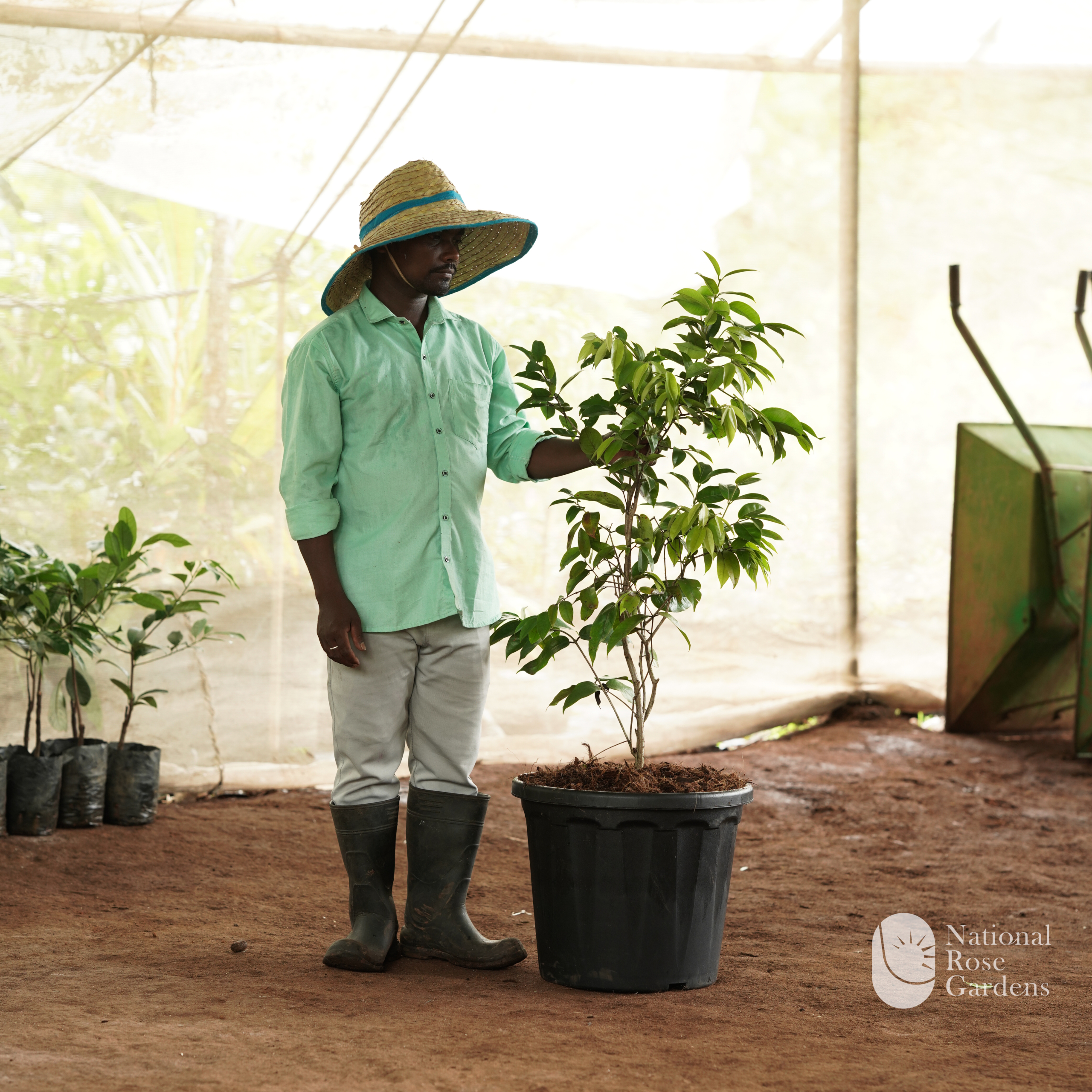
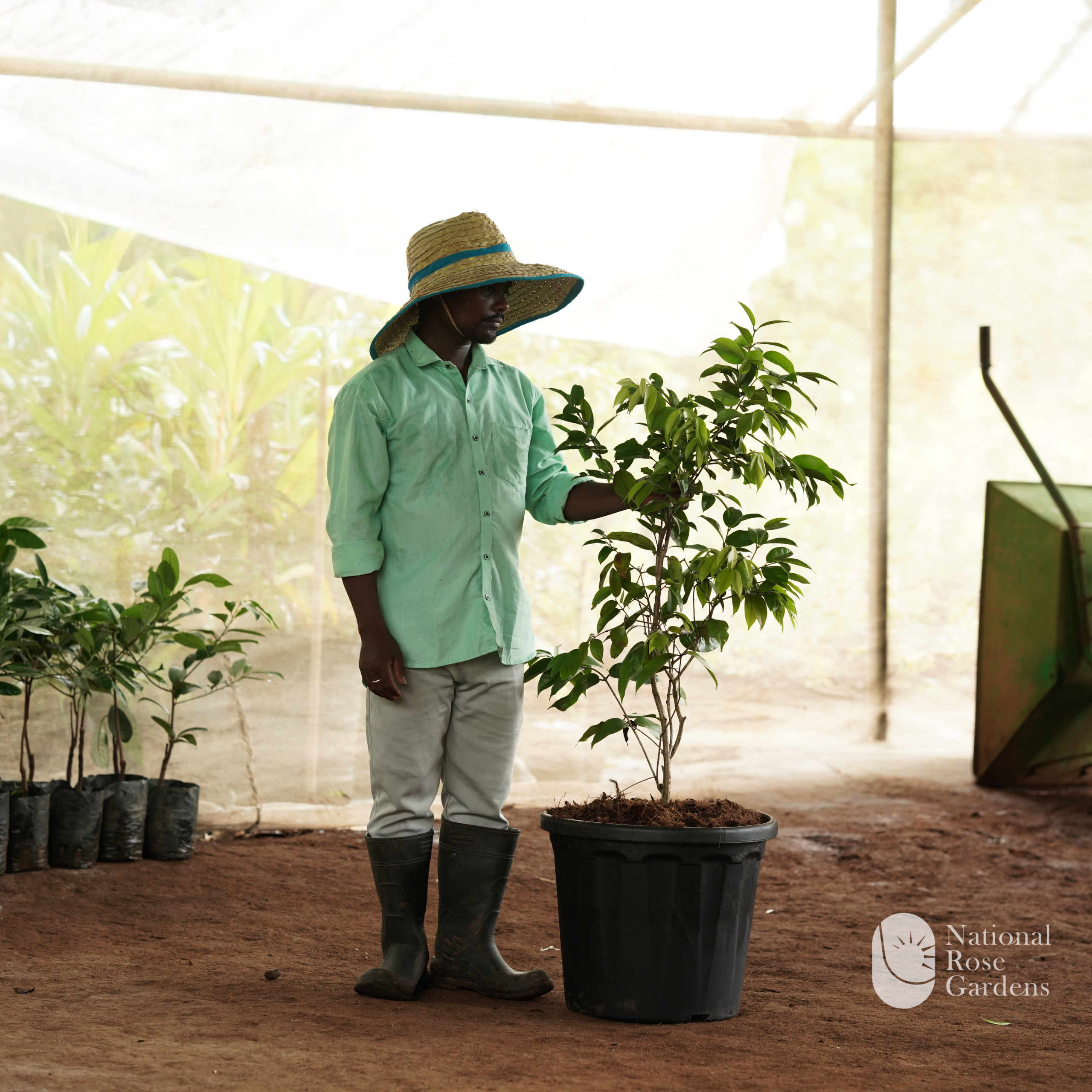
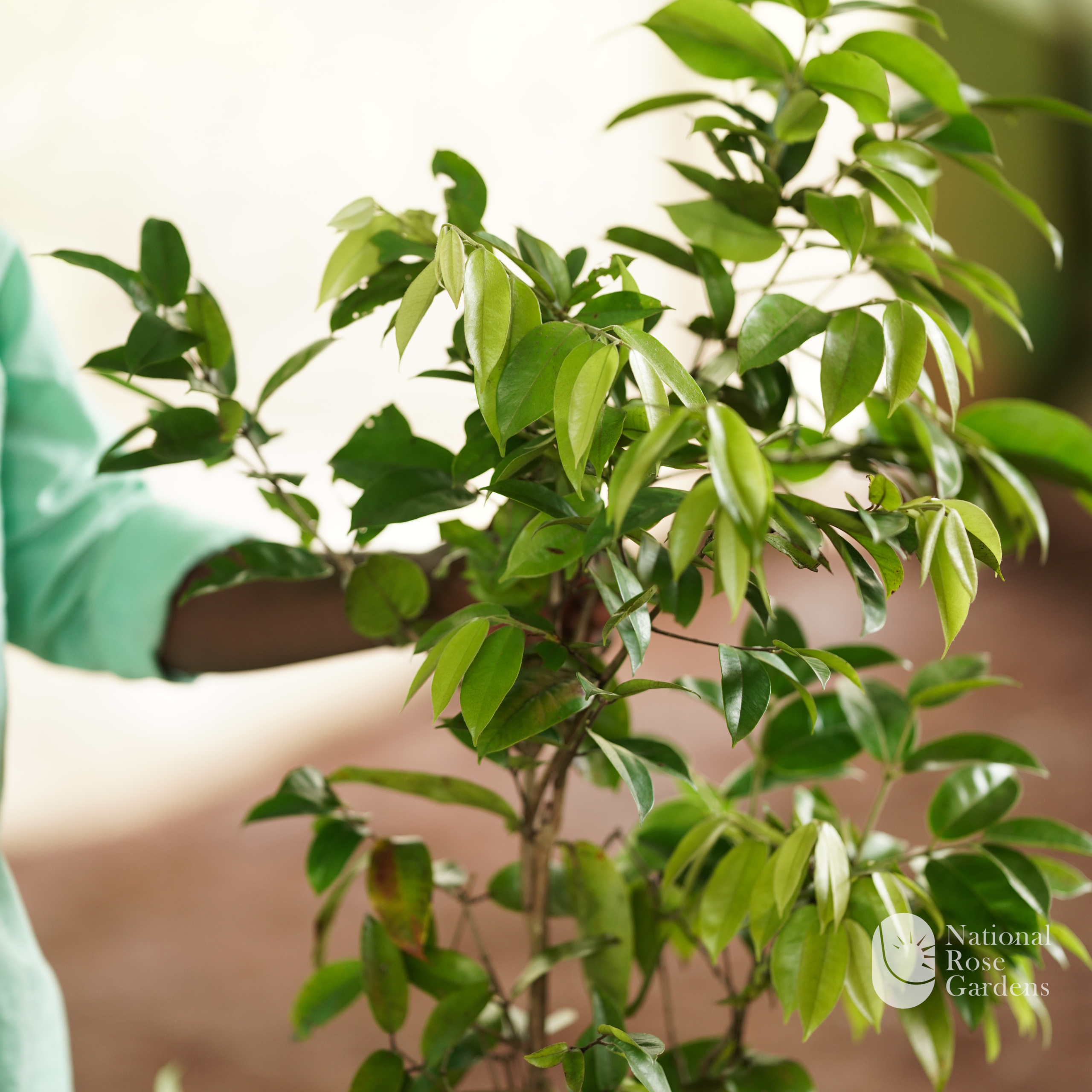
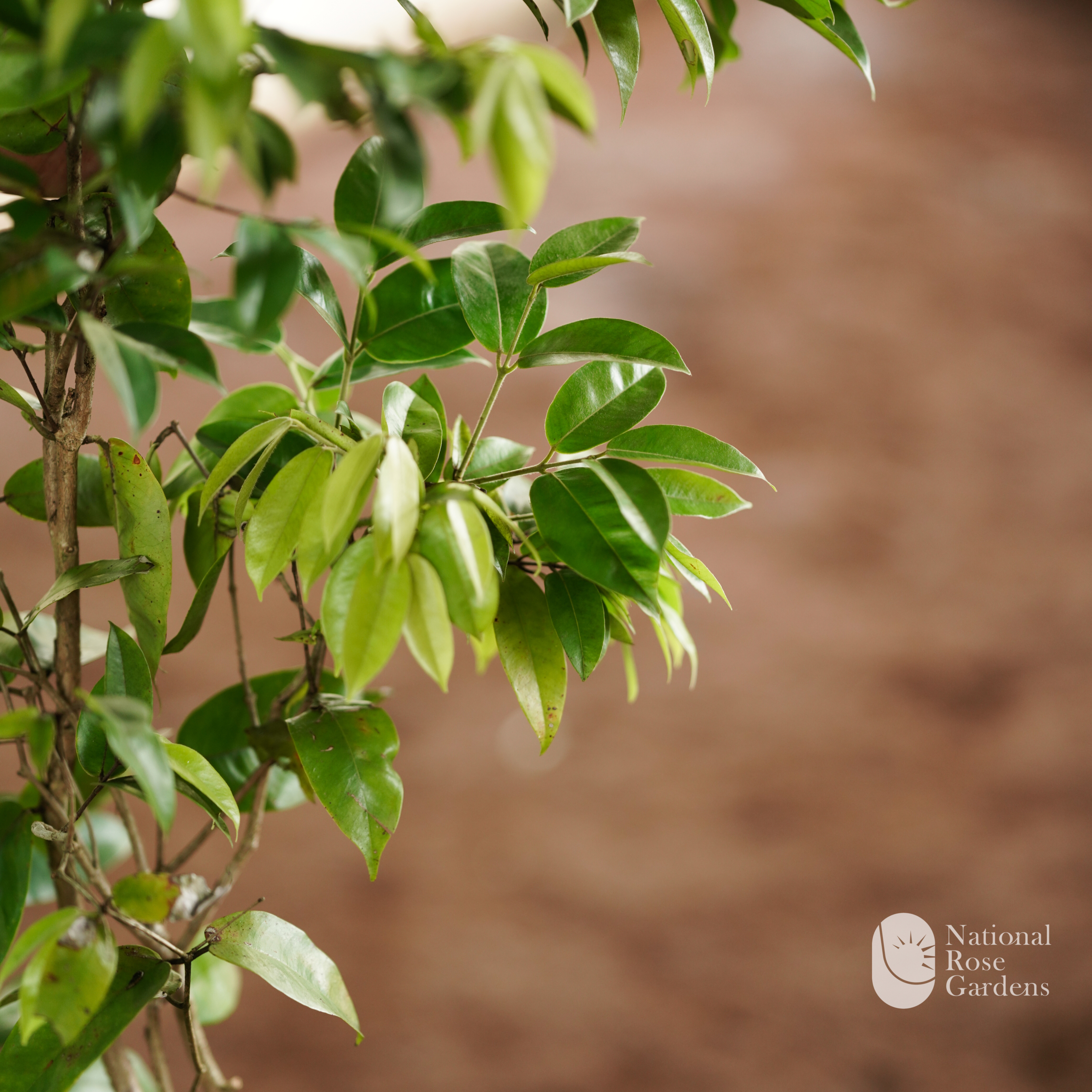
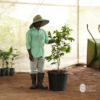
A legendary rare Brazilian myrtaceous fruit tree closely related to Jaboticaba, highly prized for producing large, smooth, bright yellow-orange globose fruits along its trunk and thick branches, containing luscious, translucent, sweet-tart orange pulp with a rich flavor reminiscent of papaya, mango, and passionfruit.
Grafted trees and air-layered plants adapt exceptionally well to container gardening and terrace setups in Kerala’s warm, humid climate, maintaining a compact growth habit with occasional tip pruning and beginning to produce fruit within just 3 to 4 years compared to 10+ years for seed-grown specimens!
Kambuka Jaboticaba is a tropical fruit tree that grows well in warm, humid climates. It prefers partial shade when young and can benefit from more sunlight as it matures. Plant it in fertile, slightly acidic, well-drained soil rich in organic matter. Keep the soil consistently moist, especially during the early growth stage, but avoid waterlogging. This slow-growing tree benefits from regular watering and protection from prolonged dry periods. With suitable growing conditions, it can produce distinctive fruits that develop on the trunk and branches.
Recommended Planting Method for Best Results
For healthy growth and strong establishment, prepare a 2–3 ft deep pit. If available, place a layer of green leaves at the bottom. Mix 1.5 kg bone meal, 1 kg oil cake, 20 kg raw cow or goat dung, and 100 g urea with an equal quantity of soil, then fill the pit and cover it with soil.
Leave the pit for about one month, watering it daily so the mixture decomposes well. After one month, mix the contents again and add 100 g calcium or dolomite. Wait one more week, then plant the sapling.
If you need to plant immediately and cannot wait for the one-month decomposition period, do not add oil cake or calcium/dolomite; use only the soil, manure, bone meal, and urea mixture for planting.


Reviews
There are no reviews yet.