 0
- All
- Aquatic Plants
- Bamboo
- Climbers and Creepers
- Fern
- Flowering
- Fruit Plants
- Grasses and Ground cover
- Indoor Plants
- Landscape Plants
- Outdoor Plants
- Palm
- Succulents and Cacti
- Tissue Culture
- Topiary
- Trees
0
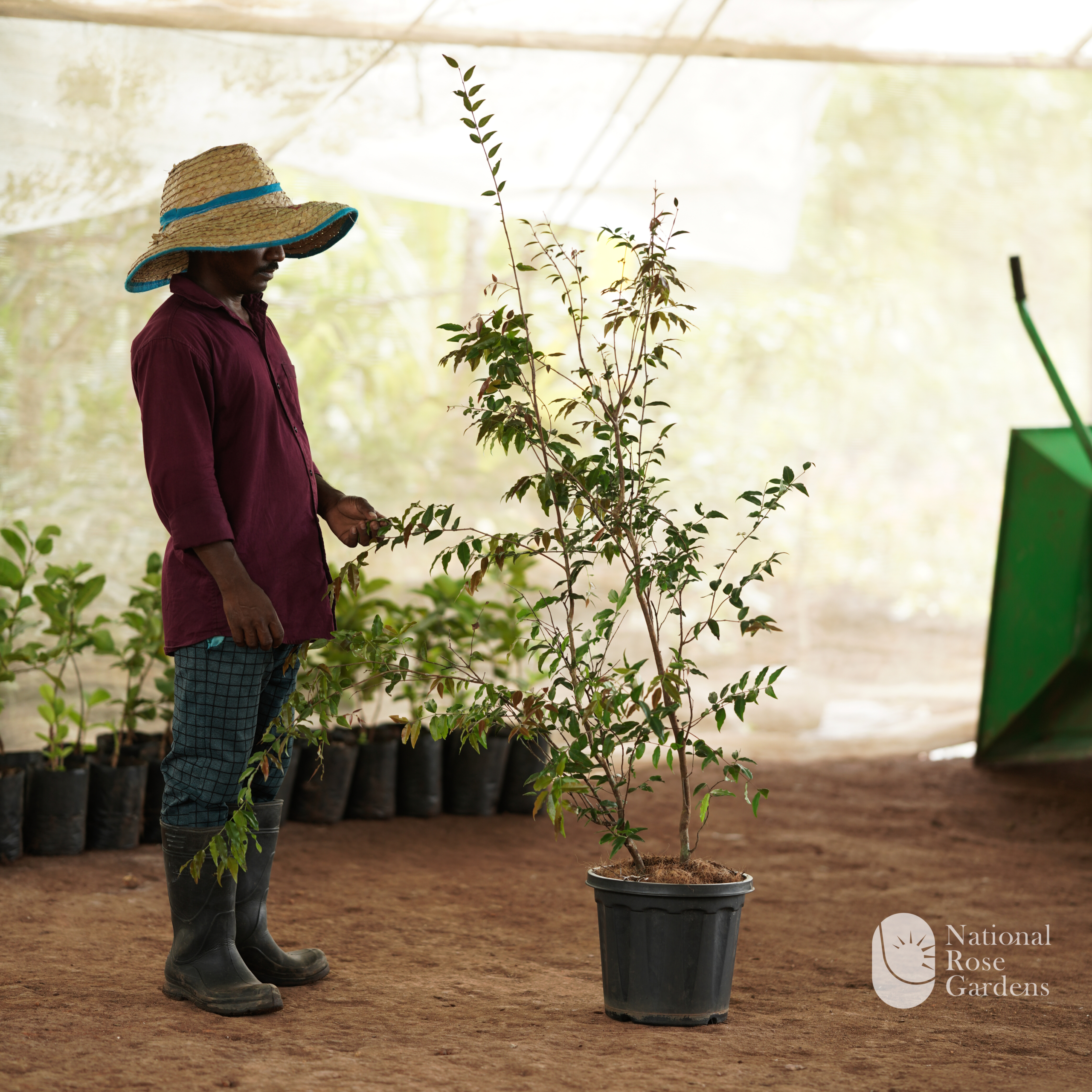
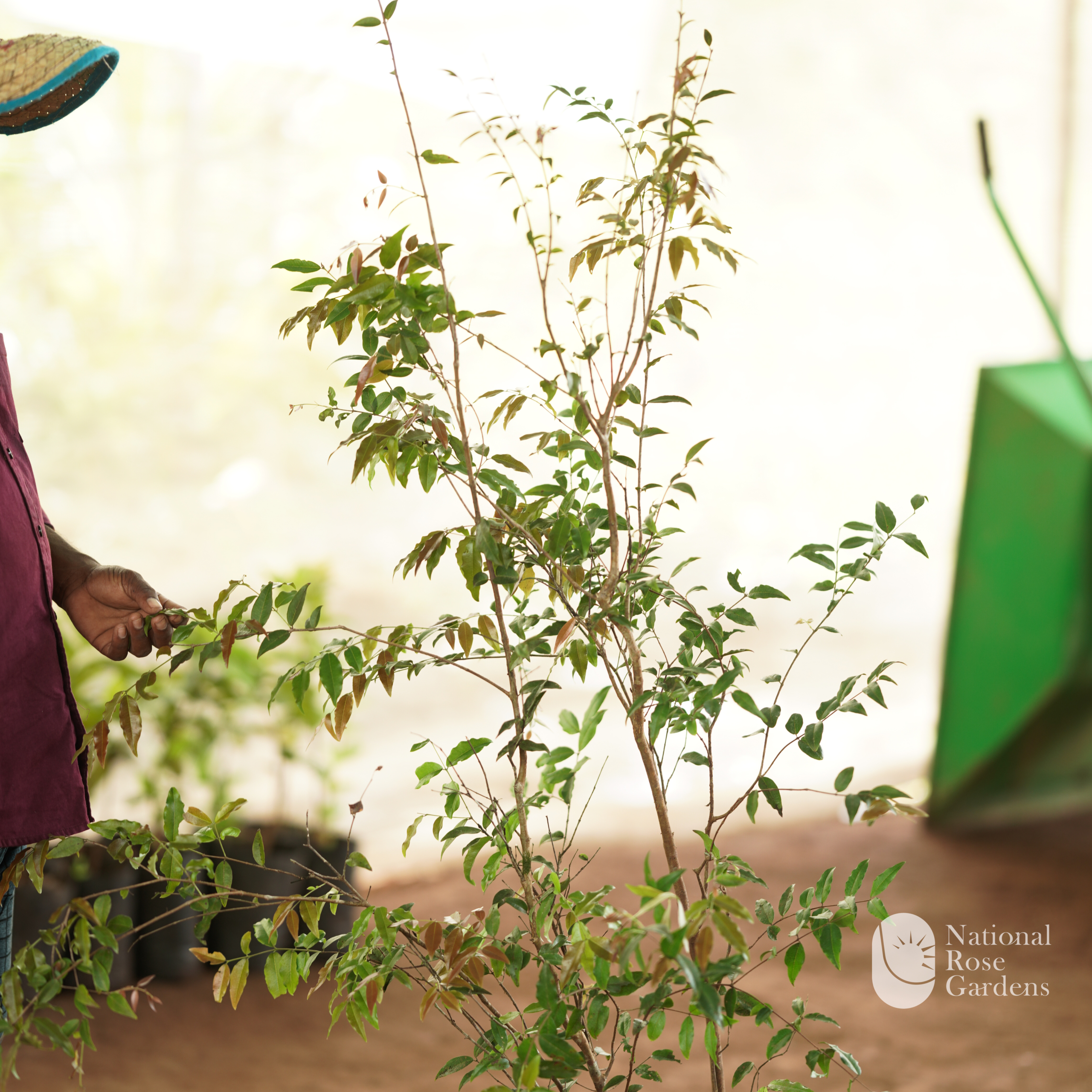
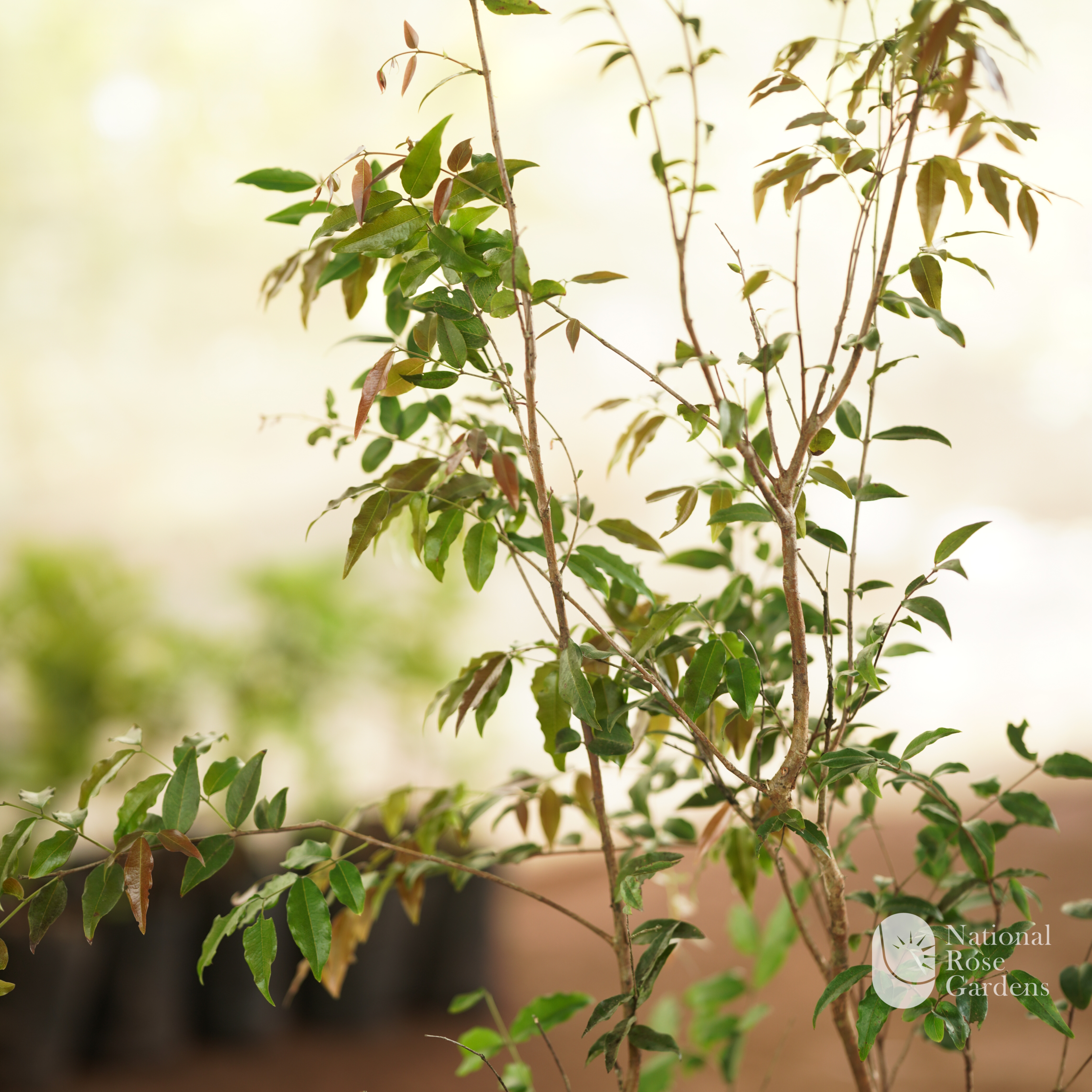
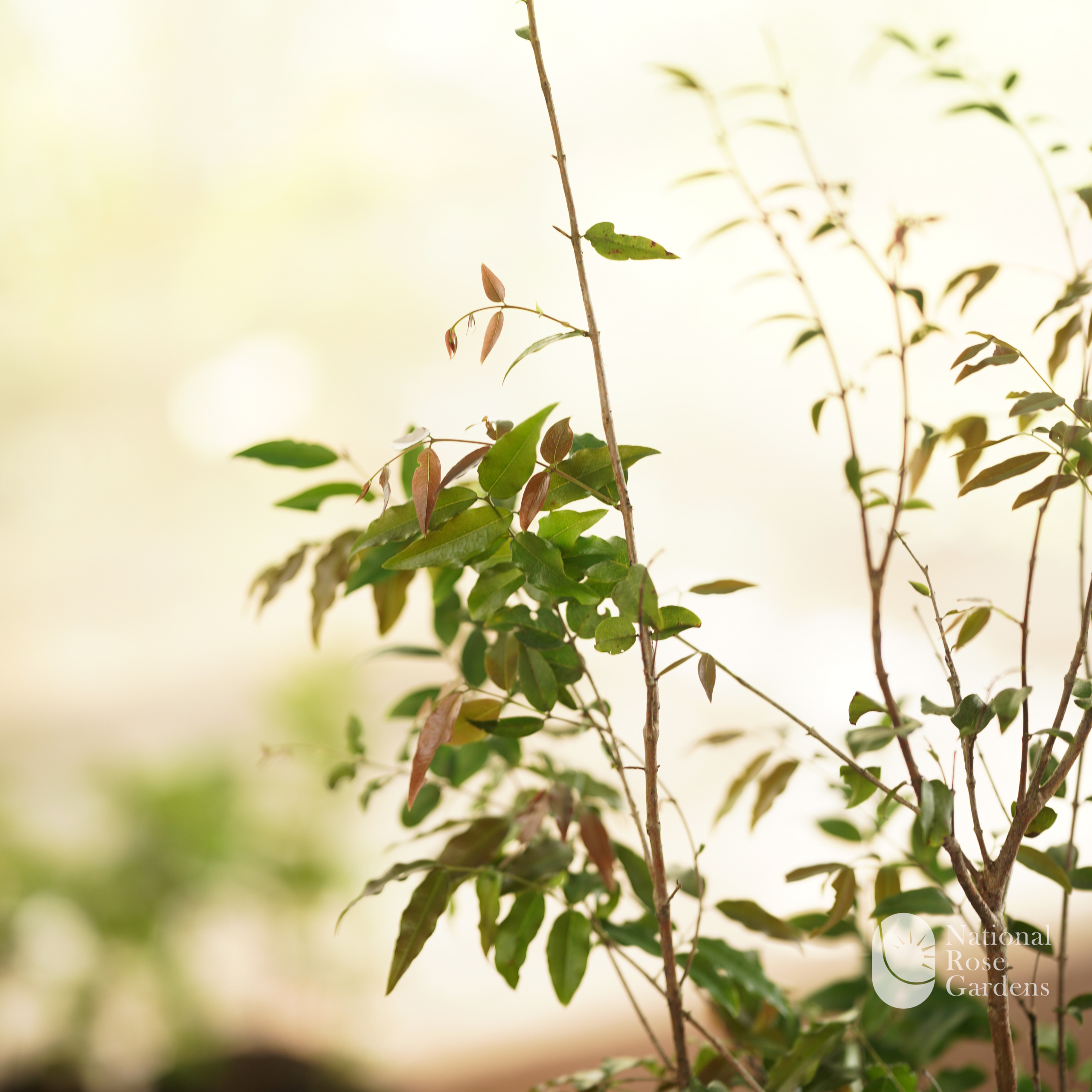
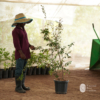
An ultra-rare, collector-grade jaboticaba variety (also known as Blue Velvet or Jabuticaba-do-Doutor) originating from the Mucuri River region of Brazil and highly sought after in Kerala exotic fruit nurseries. It is famous for its unique dark purple-to-black fruits coated in a fine, velvety fuzz (peluda). The translucent white gelatinous pulp is exceptionally sweet, juicy, and widely regarded by fruit enthusiasts to rival or surpass traditional jaboticaba varieties in flavor complexity.
Grafted or approach-grafted trees adapt remarkably well to large rooftop containers and grow bags (18×18 or 24×24 inches). With regular post-harvest canopy thinning to shape a compact, multi-stemmed structure, it thrives in Kerala’s warm, humid climate using acid-leaning potting media, withstands intense terrace sunlight, and begins producing heavy trunk-borne fruit flushes within 2 to 3 years of planting!
Mucuri Jaboticaba is a tropical fruit tree known for its distinctive growth habit, with fruits developing directly on the trunk and older branches. The fruits are typically round, with juicy flesh and a sweet-to-tart flavour, depending on the variety. It grows well in warm, humid climates and prefers full sunlight to partial shade. Plant it in fertile, slightly acidic, well-drained soil rich in organic matter. Water regularly to keep the soil consistently moist, especially during hot and dry periods, but avoid waterlogging. Mulching helps retain moisture and supports healthy root development. Jaboticaba trees can grow slowly, so consistent care and patience are important for successful fruit production.
Recommended Planting Method for Best Results
For healthy growth and strong establishment, prepare a 2–3 ft deep pit. If available, place a layer of green leaves at the bottom. Mix 1.5 kg bone meal, 1 kg oil cake, 20 kg raw cow or goat dung, and 100 g urea with an equal quantity of soil, then fill the pit and cover it with soil.
Leave the pit for about one month, watering it daily so the mixture decomposes well. After one month, mix the contents again and add 100 g calcium or dolomite. Wait one more week, then plant the sapling.
If you need to plant immediately and cannot wait for the one-month decomposition period, do not add oil cake or calcium/dolomite; use only the soil, manure, bone meal, and urea mixture for planting.


Reviews
There are no reviews yet.